- ON THE HOU(S)E
- Posts
- Rodeo fashion, explained
Rodeo fashion, explained
The multicultural roots behind Houston's rodeo looks

Kathrina Maribao
March 19, 2026
ON THE HOUSE is your weekly dose of Houston art and culture, nightlife, and things worth leaving the house for. If you enjoy OTH and would like to support, you can buy readers coffee (aka sponsor an issue), sponsor your event, or simply keep reading. We appreciate you! Scroll down for your curated list of weekend events.
Got a tip, event, or something we should be paying attention to? Hit reply.
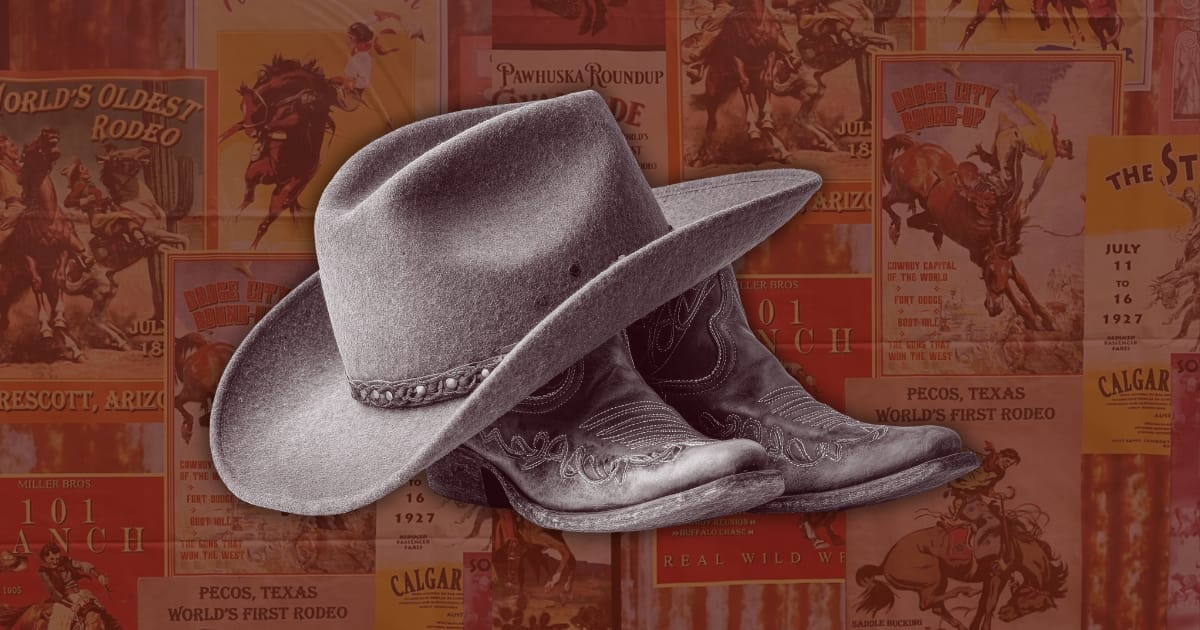
Rodeo season is in full swing in Houston! Alongside the rides, horses, fantastic food, and cultural pride on display, a major element of the rodeo takes the spotlight: fashion. Let’s break down what the essence of rodeo fashion is and look back on its history. The cowboy.
The classic Americana archetype of the cowboy brings a very particular image to mind, fueled by Hollywood, John Wayne movies, and has now become mainstream in most western aesthetic culture. Tall white guy, big hat, big horse, big gun, and a hefty dose of Manifest Destiny mythology.
This really is quite untrue and erases the roots of the cowboys and how they continue to influence rodeo fashion today.
Most cowboys were Mexican or indigenous. One in four were Black. The majority of the things we associate with the cowboy were taken from Mexican and Black culture and it’s very important that we understand this and correct this historical inaccuracy in order to appreciate the culture.
A huge part of colonization in America was fueled by the cattle industry. Vaqueros, the Mexican cow handlers on occupied territory, were well experienced in the terrain, what care the cattle needed, as well as the lifestyle that was involved in moving cattle. They had been moving cattle over territory well before the settlers began expanding West.
Many elements we associate with “cowboy culture” today actually come from this tradition. The lasso, ranching techniques, riding styles, and even many clothing elements evolved from the practices of Mexican horsemen and ranch workers.
One of the most recognizable symbols of the Houston rodeo is the cowboy hat.
This was originally a working man’s hat, invented by the vaqueros and slightly modified over time, but the essence and structure remained very largely the same. The pinched crown and curled brim had been used by Mexican ranchers and outdoorsmen for decades to shield them from the sun. We can thank the vaqueros for this iconic Houston rodeo symbol.
The rodeo truly wouldn’t be the rodeo without an assortment of hundreds of different cowboy hats. The extent of the cowboy hat has influenced even modern high fashion, with designers like Louis Vuitton and Chanel incorporating it into collections. It has become iconic, with celebrities like Dolly Parton and Beyoncé appearing in cowboy hats regularly.
At the Houston Rodeo, you’ll see hundreds of variations: felt hats, straw hats, classic cattleman creases, and modern styles paired with denim, boots, and bold accessories.
Now, what’s a good cowboy hat without a great pair of jeans to wear to the Houston rodeo? Let’s talk a bit about the history of denim and its heavy ties with Black culture and activism. Denim has become one of the most recognizable fabrics in American fashion, but its story, like the cowboy’s, is deeply tied to labor, survival, and cultural history.
Denim was a working person’s fabric, made from a specific weave of cotton and dyed blue with indigo. It was cheap, plentiful, and these crops grew well on Southern plantations. Enslaved people in the Deep South were frequently given denim as their only fabric for their work clothes.
After emancipation, denim and other heavy cotton fabrics continued to be widely worn by Black laborers in the late nineteenth and early twentieth centuries. Many formerly enslaved people and their descendants worked in agriculture, railroad construction, mining, and other physically demanding industries where durable clothing was necessary. Denim became closely associated with working-class life across the American South and West. In the early twentieth century, denim jeans became standard workwear for miners, ranchers, railroad workers, and cowboys. Black cowboys, farmworkers, and laborers throughout the American West and South were among the many people wearing denim as practical everyday clothing.
By the mid-twentieth century, denim had begun to move beyond purely functional workwear. Black musicians, labor organizers, and cultural figures wore denim as a symbol of working-class pride and resistance to respectability politics that often demanded more formal dress.
“Houston is one of the most culturally diverse cities in the country, and the rodeo reflects that legacy.”
During the Civil Rights Movement, denim overalls and work clothes were sometimes intentionally worn by activists participating in voter registration drives and rural organizing in the South. The clothing reflected solidarity with working people and the agricultural communities they were organizing within.
By the 1960s, denim was adopted by the counterculture movement. The young generation of hippies, feminists, and activists embraced jeans as a rejection of rigid social norms and consumer culture. What had once been clothing for laborers and cowboys became a symbol of rebellion, freedom, and cultural change.
Today denim exists everywhere: from rodeos and ranches to streetwear and high fashion. But its roots remain deeply connected to labor, survival, and the cultural histories of the communities who wore it long before it became a global trend.
So when we put on our boots, denim, and cowboy hats for the Houston rodeo, we’re doing more than just dressing for the occasion. We’re participating in a living tradition shaped by generations of people whose labor, culture, and resilience built the American West and the Gulf Coast we know today. From Mexican vaqueros to Black cowboys, from field workers to ranch hands, the clothing we celebrate at rodeo season carries a deep and complex history. Houston is one of the most culturally diverse cities in the country, and the rodeo reflects that legacy.
When we take the time to understand where these traditions come from, we can celebrate them with greater respect, appreciation, and pride in the rich, multicultural roots that make Houston what it is.
For more rodeo reads:
Line dancing at the rodeo, again
Honky Tonk in the Jungle
LATELY IN HOUSTON
Keep it PG, y'all. Houston Rodeo tightens dress code after TikTok outrage demanding modesty rules. New policy bans include excessive tearing, exposed skin, visible undergarments, and inappropriate graphics. Violators can be denied entry or removed to preserve the "family-friendly experience." Provocative rodeo fits officially canceled.
Claw machines everywhere… Clawcades, or arcades packed with claw machines, are conquering Houston's Asiatown and suburbs. Inspired by Asia's decades-long obsession, spots like Claw Mania Kingdom and Clutch and Win offer dozens of machines filled with Sanrio plushies, tech prizes, and anime merch. Low overhead, high foot traffic, (somewhat) attainable wins. Saturation's coming, but operators predict claw machines are Houston's next boba.
Soft serve marg? Yes, please. Doña Leti's launched Houston's first soft serve margaritas on March 13th and lines wrapped around the block. The viral TikTok turned it into the restaurant's busiest month ever. Lane Equipment Company, the machine supplier, says a dozen+ Houston spots are now copying the concept. Profit margins are solid and the buzz is real.
WEEKEND EVENTS

All Weekend
Rodeo Happy Hour ft. 818 Tequila at Thompson Hotel
Houston Rodeo last weekend
Thursday, 3/19
6pm, Art | Art & Margs: Rodeo Edition sip & paint at El Rey Taqueria Katy. $35.
7pm-10pm, Dancing | Salsa & Bachata Night at POST.
7:30pm-11:30pm, Dancing | Pura Vida Social at Eden Plant Co. $15.
Friday, 3/20
6pm-8pm, Rodeo | Poetry Open Mic Night with Houston Writing Central at Brazos Bookstore.
6pm, Community | Spring Picnic presented by hardly reading. “bring your blankets, games and snacks; we'll bring the really cool people. come hang, we’ll save you a spot!!” RSVP.
6:45pm-9pm, Crafts | Aura Photo Craft Night at Central City Co-Op. $60.
8pm-10pm, Film Screening | Moonlight Movies: 13 Going on 30 at MFAH. “The series Moonlight Movies brings you classic films under the stars from your seat on the sloping roof of the Glassell School of Art.” $20.
Saturday, 3/21
10am-2pm, Market | Grow and Gather Market at Central City Co-Op.
11am-12pm, Fitness | Spring into Pilates at Miller Outdoor Theatre. $23.
12am-5pm, Culture | Old, Weird Houston: Local History Fair & Archives Bazaar. “Gathers and shares the stories of quirky and creative people, institutions, and events that have made Houston and the greater Houston area one of the most diverse and livable in the country.”
3pm-5pm, Art | “That Which We Want to Remember / Aquello Que Queremos Recordar” Opening Reception at Houston Center for Contemporary Craft.
5pm-9pm, Live Music | Sounds of Midtown: Boots on Bagby. “Join us for a high-energy night of country and Zydeco during Houston’s Rodeo season.”
6:30pm-9pm, Cooking Class | Steak & Lobster Dinner at Central Market Cooking School. $120.
9pm-2am, Nightlife | Dream Crates at The Mood Room. “10 DJs are taking us on unforgettable journey, weaving through R&B, Hip Hop, Soulful House and more.”
Sunday, 3/22
10am-4pm, Art | Heights Pottery Walk. “Spend the day hopping between five local studios, each with demos, events, and plenty of clay fun.” Free.
2pm-4pm, Community | Listen’in to CDs Show & Tell at The Reading Room HTX. “Bring a CD from your personal collection, tell the story of why it matters to you, and let’s listen in together.” RSVP.
5pm-7pm, Live Music | Mathias Lattin at Jazzy Sunday in the Park at Discovery Green.
7pm, Live Music | DACAMERA at the Eldorado: Sarah Hanahan. Choose-what-you-pay tickets.
7pm, Concert | DVSN - SEPT 5th - 10 Year Anniversary Show at House of Blues. $48 and up.
ON THE HOU(S)E Concierge
ON THE HOU(S)E wants to connect with you whether you’re a creator, writer, small business, or brand. We’d love to hear from you! Email [email protected].
Reply